
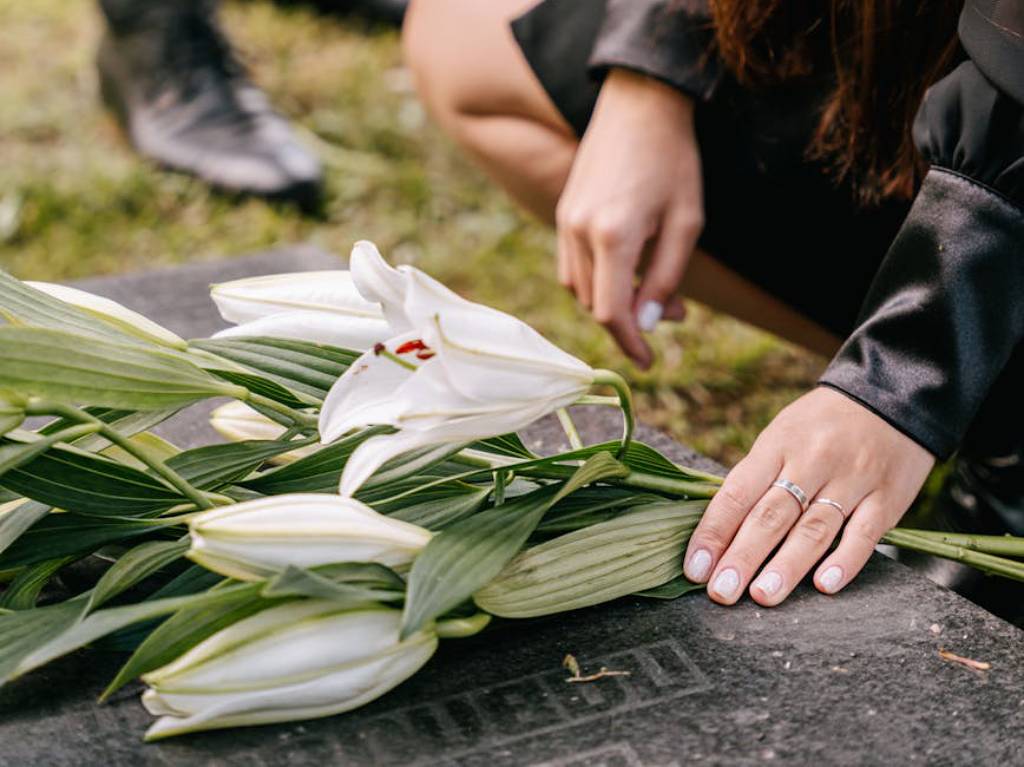
Processing the death of a family member or loved one can be very challenging, prompting us to ask, “Why God? Why did you let this happen to me?” The grieving process can be excruciating for many. Most people will experience the pain of losing a close family member or a loved one at least once in their lifetime. It’s a topic no one likes to talk about, but death is the one inevitable thing and the one appointment that we all must keep.
When processing the death of a loved one, such as a family member or a spouse, you will experience a period of grieving. Mourning is a natural human emotion. We grieve because we are trying to recover from the tragic disappointment of death. The healing process can be short or it can last for several months. Whether the process of mourning is short or long, the shock of losing a family member to death is an emotional pain that compares to no other.
Grieving Family Loss
Grieving is difficult for everyone, and people express their grief in many different ways. Some people withdraw from the company of others, while others seek to surround themselves with as many people as possible. There’s no right or wrong way to grieve, so your unique process is valid.
They say time heals a broken heart. However, healing occurs when we come to terms with the substance of our loss. It has been sixteen years since the death of my son, but occasionally, it is still a painful reality for me. That was a very tough period of my life. I thought I would never be able to move past the tremendous pain.
Five Ways to Process the Death of a Family Member or Loved One
No one can lay claim to a right or wrong way to grieve. However, there are some things you can do to help you cope with the pain of losing a family member. Here are five things you should do to help you recover from the painful experience of losing a family member.
1. Open Up
Realize that everyone processes death in different ways. Understand that your loss is your journey, and no one can truly feel your pain. That is why you must open up. You should not be afraid to talk about your loss. By opening up, you allow those around you to offer comfort. Consider joining a support group where you will find other people who can relate to your experience. Remember, you are not alone in this.
Following the death of a family member, you will be overwhelmed with phone calls, emails, letters, and sympathy cards. They are chilling reminders of your grief. Open up only when you are ready to talk about it.
It took several weeks for me to get over the death of my son. For the first two weeks, I was unable to function. I quickly learned that by talking about my loss, it became easier to cope with emotional pain and stress. I was surprised that many people I spoke to had similar experiences. Their words of encouragement gave me the strength to face my reality.
2. Avoid Covering Up
Masking your pain is not the answer. Avoid hiding your feelings, as it could lead to destructive behavior like drug addiction or alcoholism. Processing the death of a family member is painful. Therefore, allow yourself to grieve and stay as close to reality as possible. If you drink alcoholic beverages or use narcotic pain medication, now is the time to back off. Remember, you have the power to choose a healthier path. I was once addicted to crack cocaine. If anything can lead you down the road to addiction, it would be the death of someone close to you.
3. Let Your Emotions Flow
Whenever something hurts, whether it is emotional or physical pain, you first want to cry. Now is the time to understand that it is okay to cry. Friends can sometimes harm your emotional stability. They might tell you to stay strong for your family. But again, no one knows your pain but you.
Losing a family member or loved one to death is painful. Trying to appear strong will only cause you to internalize your pain. Sooner or later, all that internal pressure will have to be released. And nobody knows what will happen when it is released. Internal pressure built up inside the Earth over time causes volcanic eruptions. No one knows where or when such an eruption might occur.
4. Let Time Heal Your Emotional Pain
Emotional scars are invisible, but they leave lasting scars that are often more noticeable than physical scars. All things change with time. Allow yourself time to recover from such an inconceivable loss. Never place a limit on how long it takes to heal. Don’t put a timetable on your grieving, and never allow someone to tell you that you are grieving too long. There is no such thing as a typical allocation of time affixed to grieving for your loved one.
5. Cherish Good Memories When Grieving Family Loss
For a very long time after the death of my son, I tortured myself with negative memories of him. In my head, I saw him lying on a hospital bed in agony. I didn’t see his big, wide smile when I closed my eyes. I did not hear the familiar sound of his laughter. Caught up in his suffering, I forgot about our good times together. It’s important to take pleasure in remembering the good times you shared with your family members. Focus on seeing their smile and hearing their laughter. Concentrate on celebrating the life of your family member rather than memorializing their death.
Discover more from BELIEVING FAITH
Subscribe to get the latest posts sent to your email.
