
Estimated reading time: 5 minutes
Pleasing Our Heavenly Father and Reaching Lost Souls
As a unique form of worship, prayer holds a special place in our faith journey. The importance of prayer is often understated in most churches today. A pastor made this poignant observation: “People will come out of the woodwork to attend a banquet. But if I ask the congregation to attend a prayer meeting, it’s a blessing if even the ushers show up.” This highlights a concerning trend, where the vital act of prayer is often overlooked in favor of other activities. This shift is detrimental to our spiritual growth and connection with God.
It’s crucial to remember that it’s not about the numbers but the connection with the Lord. It pleases the Lord when we entreat Him. It pleases our heavenly Father when we petition Him as He has commanded. We should remember not to implore God as the Pharisees did. They prayed for people’s praise (Matthew 6:5) and to impress other worshipers (Luke 18:9-14). Instead, we should pray to please God, for it is in this act that we find true worship.
What is Prayer?
Prayer is not just communicating with God. It is a profound moment when the human spirit connects with the principal Spirit, the originator of all spirits. It’s a two-way conversation. It’s a moment of faith and belief in His existence. He is disposed to reward those who genuinely seek Him (Hebrews 11:6). This understanding of prayer’s power should inspire us to approach God with confidence and hope. We should know that we are heard and understood.
The Importance of Prayer
Many believe the purpose of prayer is to get our will done on earth. When we pray, we engage in silent conversations with God. When you understand the importance of prayer, you see that it’s really about aligning your will with God’s. It is about having His will done on the planet, not ours. The bottom line is that God desires all people to receive salvation. What is God’s will? God’s will is for everyone to come to the knowledge of salvation through faith in Jesus Christ.
The Scripture states that God loved the world (John 3:16). So, He sent His son to die for the whole world (1 John 2:2). Does this mean that everyone will be saved without exception? The answer is no. Yet, it does mean all people without distinction – Jews and Gentiles, rich and poor. Hence, our motivation for prayer should be to reach lost souls and to align our will with God’s.
If God desires salvation for everyone, why are so many lost? 2 Peter 3:9 NIV says, “The Lord is not slow in keeping his promise, as some understand slowness. Instead, he is patient with you, not wanting anyone to perish, but everyone to come to repentance.” But salvation depends on knowing the truth about the gospel’s good news. Not everyone has heard the truth of the Gospel. Among those who have listened to the Gospel, many have rejected it. Therefore, our motivation for prayer should be to reach the lost souls who are ignorant of God’s word.
The Significance of Supplication
Today, our prayer focuses on the finished work of Jesus Christ, our Savior and Mediator. Because Jesus is both God and Man, He is the perfect Mediator between us and God the Father. Jesus lived a perfect life as a man. Therefore, He met the just demands of God’s Law. And through His obedience to the Father, He gave His life for everyone who, by faith, believed in Him.
The importance of prayer is understated. Prayer is essential not only for our personal needs but also for the needs of others. We must “stand in the gap” for each other. When we neglect to pray for those who are lost, we disregard Jesus’s sacrificial death on the cross. It’s crucial to remember that Christ died for all, and God desires that all be saved. This understanding should create a sense of community in our prayers. It should also inspire compassion, making us feel more connected and caring toward others.
Attitude in Prayer
Our attitude in prayer matters. We must have a “right relationship” with God and others without murmuring and division. Paul writes:
“I desire, therefore, that the men pray everywhere, lifting up holy hands, without wrath and doubting.”
— 1 Timothy 2:8
Posture in Prayer
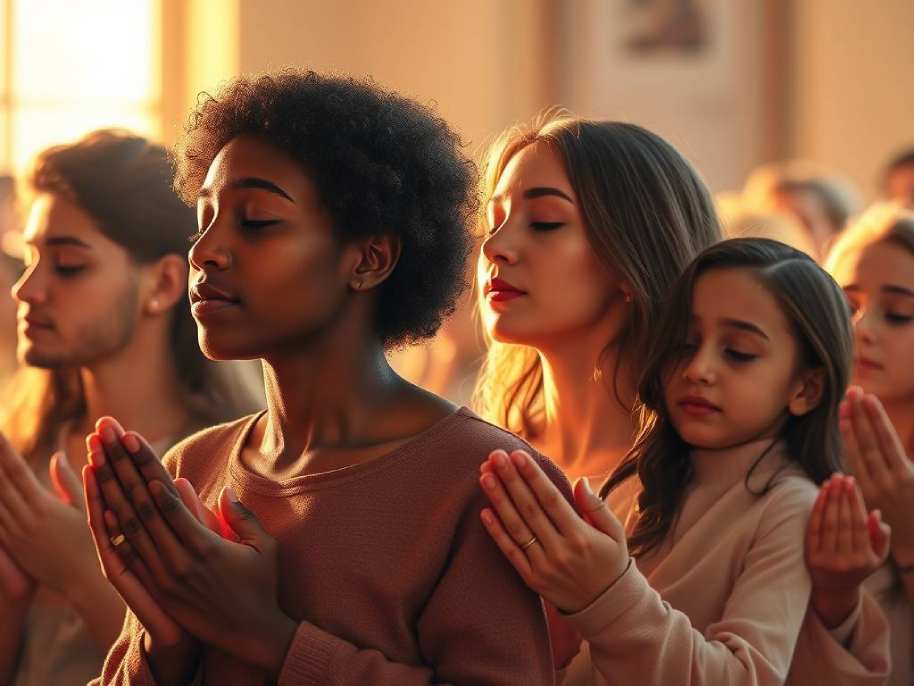
Traditionally, we bow our heads, fold our hands, and close our eyes when we pray. Nonetheless, the Bible mentions many supplication postures. For example, we can kneel (Daniel 6:10) to show humility and reverence. We can sit (2 Samuel 7:18) to show a rest posture in God’s presence. We can stand with outstretched arms (1 Kings 8:22) to express openness and surrender. Alternatively, we can bow our heads (Genesis 24:26) to signify respect and submission. The important thing about prayer is not the body’s posture but the heart’s posture.
Lifting Holy Hands
Clean hands symbolize a clean (holy) life. We cannot petition God effectively if we have unrepentant sin active in our lives. We should approach God in a pure and holy manner. When we pray, we should come before God in humility. We must bring the Lamb of God (Jesus) as a sacrifice. By faith, we should believe the sacrifice provided by God is sufficient to receive forgiveness for our sins.
Without Wrath
Christians must learn to disagree without being disagreeable. We must not intermingle our prayers with evil passions such as anger. Instead, we should approach God with a calm, benevolent, and peaceful mind. Anger alienates our mind from God because God is love.
Without Doubting
Without faith, it is impossible to please God. Whoever comes to God must believe that He is God and that He rewards those who diligently seek Him (Hebrews 11:6). Our prayers are powerful. When we petition God in faith, our prayers can heal the sick. This power of faith in prayer should empower us and fill us with hope for the future.
