
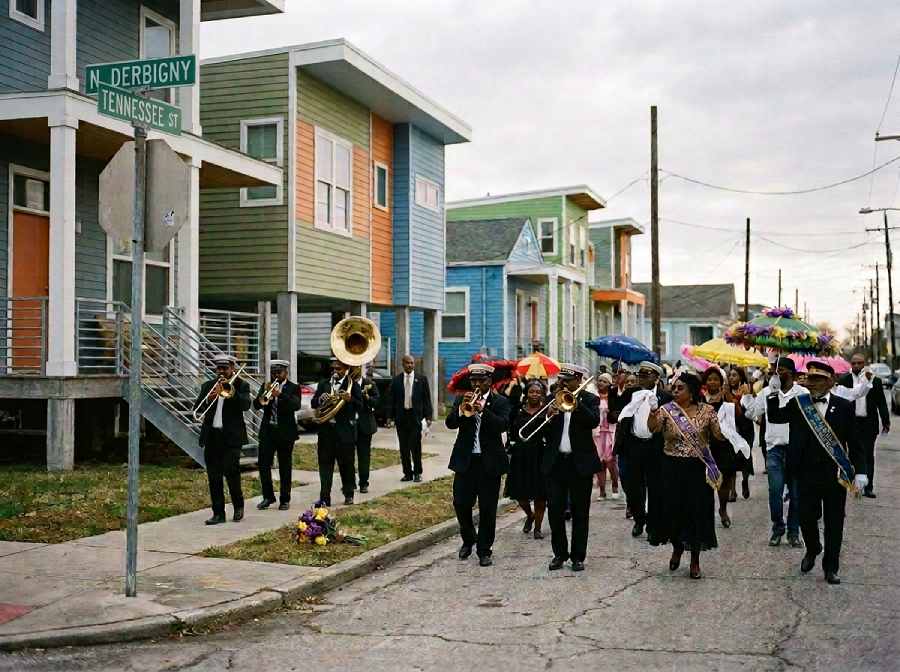
On August 29, 2026, New Orleans marks 21 years since Hurricane Katrina devastated the Gulf Coast. The Category 3 hurricane overwhelmed the city’s flood-protection system, flooded roughly 80% of New Orleans, and changed its communities and culture forever.
A Lower Ninth Ward Reflection
For me, reflecting on Hurricane Katrina 21 years later is more than a historical exercise. August 29 is the line between the Lower Ninth Ward I knew and the community we are still fighting to rebuild.
Katrina disrupted more than a place. It fractured a close-knit community grounded in family, tradition, and mutual care. The journey home became far harder for some than for others.
The Lower Ninth Ward After Katrina: Displacement and the Long Road Home
I remember the oppressive heat and the uncertainty of waiting for help. Then came another loss: watching neighbors, relatives, and lifelong friends scatter across the country, unsure when—or whether—they would return.
August 29 still separates life into “before Katrina” and “after Katrina.” The Hurricane Katrina anniversary also calls to mind what our community has carried forward: our culture, our determination, and our commitment to one another.
Hurricane Katrina’s Anniversary: Remembering, Rebuilding, and Unequal Recovery
Each year, my neighbors and I remember those we lost and the homes and traditions swept away. We also honor the people who shared food, shelter, transportation, and hope when the systems meant to protect us failed.
We recognize the progress made across New Orleans, but we do not look away from the vacant lots, displaced families, and unequal recovery that remain.
To me, resilience is not a slogan or a neat story about survival. It is choosing, day after day, to return, rebuild, protect New Orleans culture, and demand a safer and more just future.
Hurricane Katrina’s Anniversary means grieving honestly, honoring the strength that endured, and standing with every displaced family still fighting for what should never have been uncertain: the chance to come home.
Remembering Hurricane Katrina’s Losses
We honor the people who died across the Gulf Coast: parents, children, elders, neighbors, and friends. Each left behind a name, a story, and people who still carry their absence.
In New Orleans, families were separated, familiar streets vanished beneath floodwater, and entire communities mourned without the comfort of home.
What the Lower Ninth Ward Lost
The historic Lower Ninth Ward, where I live, was among the hardest-hit neighborhoods. Generations of family ties, homeownership, music, faith, and mutual care shaped this community.
When the levees failed, floodwater submerged homes, schools, churches, and gathering places. The destruction reached far beyond buildings.
Photographs, heirlooms, and the everyday traces of lives built over decades were swept away. The Lower Ninth Ward after Katrina remains marked by vacant lots and families still living far from home. Rebuilding requires restoring not only houses, but also a sense of belonging.
Katrina’s trauma continued long after the storm, through months and years of rebuilding from the ground up.
We remember the families who never returned and the irreplaceable parts of New Orleans that disappeared with them.
New Orleans Resilience and Community Strength
How New Orleans Communities Responded
Hurricane Katrina exposed devastating systemic failures, but it also revealed extraordinary courage and care. I remember:
- The makeshift navies: Residents used canoes and whatever they could find to rescue neighbors from rooftops.
- The culture bearers: Musicians, Mardi Gras Indians, and Social Aid & Pleasure Clubs returned to keep the New Orleans heartbeat alive.
- The community kitchens: Neighbors and volunteers fed one another when power, infrastructure, and outside assistance failed.
In the aftermath, New Orleans culture became both a source of survival and a roadmap for recovery.
Hurricane Katrina’s Legacy: The Work Ahead
Hurricane Katrina 21 years later, much of New Orleans has been rebuilt, but recovery remains uneven and unfinished. New homes, businesses, schools, and stronger flood protections testify to years of determination. Vacant lots still interrupt once-familiar blocks, and many displaced residents have never been able to return.
Rising housing costs, gaps in public services, and unequal access to rebuilding resources continue to shape who benefits from the city’s progress. A just recovery must therefore mean more than restoring what was lost; it must strengthen neighborhoods, protect longtime residents, and prepare every community for the growing risks ahead.
Climate Resilience and Environmental Justice
As climate change increases coastal risk, honoring Katrina’s legacy requires action. New Orleans needs stronger infrastructure, protected wetlands, and environmental justice for every neighborhood.
The message from the Lower Ninth Ward is clear: We are still here—dancing, cooking, singing, rebuilding, and fighting for the neighborhoods we love. But remembrance cannot end with words. It must help build a future in which every New Orleans community is protected, valued, and able to thrive.
Discover more from BELIEVING FAITH
Subscribe to get the latest posts sent to your email.
