
Estimated reading time: 3 minutes
“They hatch viper’s eggs and weave the spider’s web;
He who eats of their eggs dies.”
— Isaiah 59:5
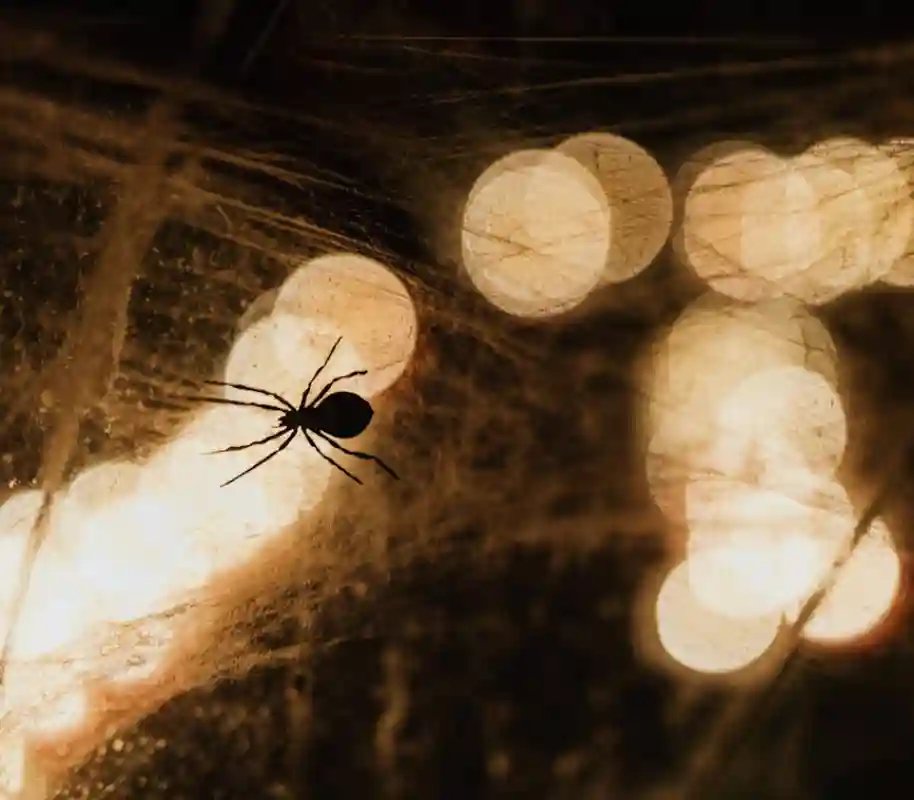
The spider’s web, a powerful symbol of the hypocrite’s religion, calls for wisdom. Both will trap their prey. Just as the spider traps flies to satisfy its hunger, the hypocrite’s religion also attracts the foolish. People who have little or no knowledge of God are easily charmed by the hypocrite’s religious marvels. Even the more informed among Christians can struggle to escape the influence. This blog highlights the importance of wisdom in faith. Like uncovering a spider’s web, faith empowers us to make the right choices.
Philip baptized Simon the Sorcerer, but Peter’s stern rebuke destroyed Simon’s crafty declaration of faith. Simon accepted Christianity because he expected monetary profit instead of redemption. Peter’s rebuke, a powerful act of insight, exposed Simon’s true intentions and the vacuum of his faith. Tradition, reputation, recognition, and promotion are small flies for hypocrites to devour in their spider’s web. But Peter demonstrates the power of God by rebuking Simon, exposing his cunning trick. You can read the account in Acts 13.
A spider’s web is a superb showcase of cult mastery and religious deception. Yet, it is fragile in comparison to the cunning tactics of the deceiver’s religion. With its delicate yet strong structure, the spider’s web is a metaphor for the hypocrite’s religion. Although it may appear strong, it is ultimately fragile and deceptive.
How do hypocrites make their misleading lies trustworthy? Just as a spider’s web captures insects, so can the web of lies capture the unaware. This question should keep us vigilant. Just as the spider can make its silky web perfect, the deceiver can do the same. This ability makes the Pharisee’s web of deceit much more dangerous.
No Cobwebs
Like the spider, hypocrites live solitary lives, trusting and hoping within themselves. They forge their anchor on their own anvil, lay their foundation, and construct their house. But the spider’s web is a fragile creation. Endurance is not a part of its design. The web serves as a stark reminder of the self-deception underlying hypocritical behavior. However, it is easily broken by a broom or the sole of a traveler’s shoe.
Hypocritical cobwebs must come down. You can remove them today. Go before the Lord in prayer. When you pray, leave your cobwebs behind. God does not allow them in His presence. Therefore, you must leave old memories of past hurt, disdain for people who let you down, and anything else that breeds unforgiveness. This act of leaving behind past hurts will liberate us. Hence, we conclude that our hope does not rest on the Pharisees’ hypocritical cobweb. Ultimately, it rests on the Rock of Ages’ sure foundation, free from the entanglements of a spider’s web.
